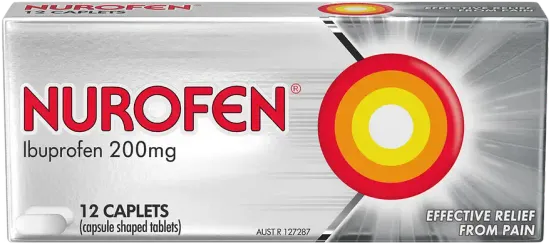
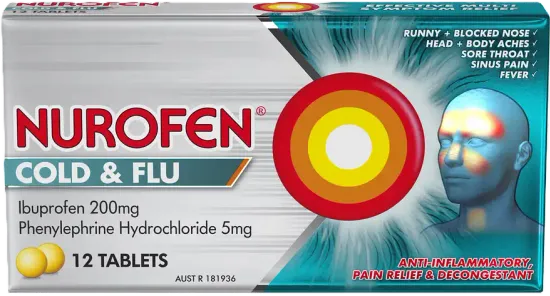
Nurofen Cold & Flu Multi-symptom Relief Tablets
Nurofen Cold & Flu are tablets containing ibuprofen that provide effective temporary relief from cold and flu symptoms without causing drowsiness.
Cold & Flu Symptom Relief


IMPORTANT NOTE:We encourage you to practice good hygiene (such as washing hands often with soap and water) as well as physical distancing to help slow the spread of germs. If you or your child are experiencing cold and flu-like symptoms including fever, coughing, sore throat or shortness of breath, you should seek medical advice from a doctor straight away and stay at home. For COVID-19 health advice and information, contact the dedicated COVID-19 Healthline for free on 0800 358 5453, or on +64 9 358 5453 if you have an international SIM. | |
Do you have a cold or flu? Even though symptoms of the cold and those of the flu can be similar, there are some differences. The following table highlights some of the key cold symptoms vs flu symptoms:
COLD SYMPTOMS | FLU SYMPTOMS | |
Sore Throat | Common | Sometimes |
Blocked/Runny Nose | Common | Sometimes |
Sneezing | Common | Sometimes |
Cough | Common | Common - usually dry |
Feeling very weak and tired | Sometimes* | Common |
Muscle aches and pain | Sometimes | Common |
Headache | Rare | Common |
Fever | Rare | Common |
Chills | Rare | Common |
*While you may feel tired with a cold, most symptoms are above the neck.
The common cold is a viral infection of your upper respiratory tract (that is, your nose and throat). More than 200 types of viruses can cause a cold,1 though they are usually caused by a type of virus called rhinoviruses. Symptoms of a cold tend to peak about 1 to 3 days after you get infected, and typically last 7-10 days.2,3 In some cases though, they can linger for more than 3 weeks.2,3
Colds are spread by coming into contact with virus particles, for example by touching surfaces that an infected person has touched (e.g., door handles) or when you come into contact with an infected person’s cough or sneeze.
To avoid catching a cold, practice good hygiene by:
There are several ways you can help relieve cold symptoms at home. Cold and flu remedies include:





Be aware that antibiotics aren’t effective against colds or the flu, as they only treat illnesses caused by bacteria, while colds and the flu are caused by viruses.
The flu, or influenza, is a highly contagious viral infection caused by the influenza virus, primarily strains called influenza A and B. Have you ever wondered, is it a cold or the flu? It may help to remember that flu symptoms typically start suddenly, and a key sign of having the flu vs cold is the presence of a fever, which can last 3-4 days.3 While the flu can be mild, it can also cause serious illness in otherwise healthy people. There is often an outbreak of flu every year during winter, and how bad it depends on the strain and strength of the virus, and how susceptible the community is to infection.
Like colds, influenza viruses can be transmitted by close contact with an infected person, so good hygiene practices like washing hands frequently and covering coughs and sneezes is important to prevent the spread.
However, one of the most important strategies for preventing the flu is getting a flu vaccination. Vaccination is the best way to reduce your risk of contracting the flu, as well as reduce your risk of serious illness if you do become infected. The influenza virus can change from season to season, so it’s important to get a vaccination every year. Annual flu vaccination is recommended for everyone over 6 months of age,4,5 and it is free for certain groups of people who are considered to be at greater risk of complications from the flu.
There is no vaccine for the common cold.
Colds and flu can be treated in similar ways. If you are suffering from flu symptoms, you can relieve them with rest and self-care at home, using similar strategies to relieve symptoms of the common cold.
Did you know that inflammation can be at the source of cold & flu symptoms? This is why an anti-inflammatory medication like ibuprofen may be helpful. contains ibuprofen to temporarily reduce inflammation (the source of cold & flu symptoms such as sinus pain, sore throat, headache, and body aches), plus a decongestant to help relieve a blocked nose.
This article is for general information only and not intended as a substitute for medical advice. All information presented on these web pages is not meant to diagnose or prescribe. In all health-related matters, always consult your healthcare professional.
Always read the label. Use only as directed. Incorrect use could be harmful. Do not use if your child has a stomach ulcer. If symptoms persist see your healthcare professional. Reckitt Benckiser, Auckland. TAPS-NA6107. RB-M-46764.