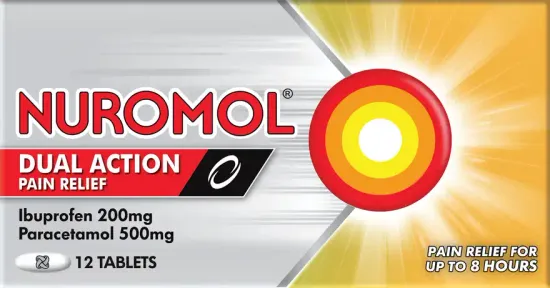


Nurofen Zavance Fast Pain Relief Liquid Capsules 200mg
Nurofen Zavance Liquid Capsules (200mg ibuprofen) are quickly absorbed into the bloodstream to reach the source of pain fast, so you can get on with life.
Fast Pain Relief


Nurofen for Children contains ibuprofen, to provide pain relief and reduce fever in infants
and children.
There are two product formats in the range:
All oral liquid products in the range come with a dosing syringe, making it easy for you to
give your child the correct dose.
Nurofen for Children 3 months - 12 years range: suitable for the temporary relief of pain associated with teething, toothache, earache, headache, colds & flu, minor aches, sprains & strains and sore throats. It also relieves fever for up to 8 hours*, including fever caused by immunisation. It is sugar free, and available in pleasant tasting strawberry and orange flavours.
Nurofen for Children Soft Chewable Capsules: an easy to chew format for children 7 years and older. It is a great option for children who no longer want to take a liquid, but still find tablets difficult to swallow.
The recommended dose of Nurofen for Children varies depending on the weight of your child. Check the dosing guide on the back of the pack to determine the right dose for your child’s age and weight.
Doses should be given every 6–8 hours, as needed, with a maximum of 3 doses in 24 hours.
Doses should be given every 6-8 hours (or with a minimum of 6 hours in between each dose if required). It is important not to exceed the stated dose and make sure that the product is chewed before swallowing. Though Nurofen Soft Chews can be taken without water, your child should still take plenty of fluids to help manage their pain or fever.
It’s inevitable that your child will experience some pain now and then – whether it’s from illness, minor accidents, or normal growing up events like teething or immunisation.
Young children can’t always tell you when they’re in pain, and this can be confusing and upsetting for parents. Listening to what they say and watching what they do can help you to recognise pain in your child. Some signs to look for include:
Always see your doctor if you are worried or unsure about your child’s pain for any reason. If you’re unsure about whether or not give medicine to your child for their pain, it’s also best to seek advice from your doctor or pharmacist.
*Autret-Leca et al 2007.
First published: 1st June 2021
Last updated: 12th December 2023
This article is for general information only and not intended as a substitute for medical advice. All information presented on these web pages is not meant to diagnose or prescribe. In all healthrelated matters, always consult your healthcare professional.
Always read the label. Use only as directed. Incorrect use could be harmful. If symptoms persist, see your healthcare professional. Do not use if you have a stomach ulcer. Do not give to babies under 3 months of age. Seek medical advice for children under 12 months of age. Reckitt Benckiser, Auckland. TAPS-NA12948. RB-M-35816.