
A sprained ankle can impact your life!
You may have sprained an ankle tripping up the stairs. Or hurt it while exercising at the gym. Regardless, the result is the same. It can really disrupt your day.
Typical signs of a sprained ankle include swelling, pain and limited movement, otherwise known as the signs of inflammation. These symptoms are to be expected, but what may surprise you is they’re all part of the body’s natural defence system. So, what’s happening to your sprain and why does it hurt that much?


In this article:
- Inflammation means your body is protecting you
- Why are sprains so painful?
- Managing inflammation while you have it
- Anti-inflammatory medicines help to ease pain
- Other pain that’s associated with inflammation
- Inflammation is a double-edged sword
Inflammation means your body is protecting you
Inflammation is a normal response when you have a sprain. It’s how your body reacts to the injury. When you sprain an ankle, the soft tissues in your body are damaged. This causes the damaged tissues to release chemicals that act as an alarm signal to begin the healing process. Consequently, more blood flow is released to the site of the injury which brings immune system cells with it. This explains why your sprained ankle may be swollen, but this is actually a good sign that your body is working to repair the damage.
Why are sprains so painful?
When you sprain an ankle, your body’s alarm system releases chemicals called prostaglandins from the damaged tissue. The release of these chemicals is important for causing inflammation and healing the injury. However, it also makes nerves sensitive to pain. This pain can be alleviated by pain relievers while the injury heals.
Managing inflammation while you have it
Since inflammation is at the source of pain, reducing inflammation may help provide relief. For sprained ankles or muscle strains, there is the RICE method. It simply stands for Rest, Ice, Compression and Elevation.
REST
The body needs time to repair, so stop the activity as soon as you’ve been injured and rest your ankle for the first 3 days. Resting helps prevent further damage.
ICE
Ice is a great way to reduce pain, bleeding and swelling. Apply ice to the injury for 20 minutes every 1-2 hours, continuing for up to 48 hours.
COMPRESSION
Firmly applying an elasticized bandage to the area also helps prevent swelling and provides support for the injury.
ELEVATION
By keeping the injury raised, swelling can also be reduced. This approach works best by raising the ankle to slightly above your heart level whenever possible, resting it on a chair or pillow.
Anti-inflammatory medicines help to ease pain
Ibuprofen (the active ingredient in Nurofen) reduces the production of prostaglandins to reduce inflammation and relieve pain. Taking an anti-inflammatory pain reliever like Nurofen can be helpful for managing pain associated with muscle injuries like an ankle sprain.
Most ankle sprains will recover within 1-2 weeks. If symptoms don’t seem to improve within the first two days, or you are concerned about your sprain for any reason, see your doctor for advice.
Other pain that’s associated with inflammation
Inflammation isn’t just confined to a sprained ankle. It can also be the cause of pain in other conditions including osteoarthritis and cold & flu symptoms.
Inflammation is a double-edged sword
Inflammation is both good and bad. While it’s part of the healing process of a sprain or strain, it’s also responsible for the pain. Now that you have a better understanding of how the inflammation process works, you can make the appropriate choices to reduce inflammation and relieve the pain while your ankle sprain heals.
First published: 19th May 2021
Last updated: 14th September 2023
Important information
This article is for general information only and not intended as a substitute for medical advice. All information presented on these web pages is not meant to diagnose or prescribe. In all health-related matters, always talk to your healthcare professional.
Always read the label. Use only as directed. Incorrect use could be harmful. If symptoms persist, see your healthcare professional. Do not use if you have a stomach ulcer. Do not give to babies under 3 months of age. Seek medical advice for children under 12 months of age. Reckitt Benckiser, Auckland. TAPS NA 12948. RB-M-35976.
Discover more from our range:
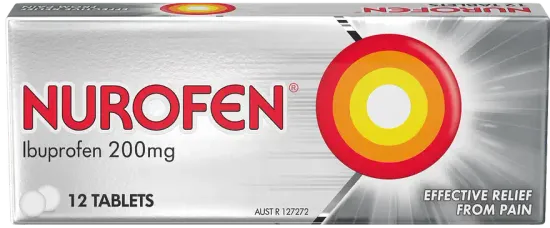
Nurofen Pain & Inflammation Relief Tablets 200mg
Nurofen tablets (200mg ibuprofen) reduce inflammation and provide up to 8 hours of relief from pain such as tension headaches & lower back pain.Pain & Imflammation Relief![Nurofen Pain & Inflammation Relief Tablets 200mg - 12 tablets]()
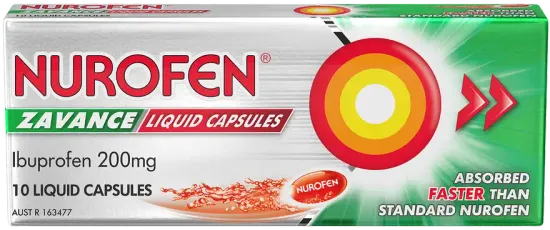
Nurofen Zavance Fast Pain Relief Liquid Capsules 200mg
Nurofen Zavance Liquid Capsules (200mg ibuprofen) are quickly absorbed into the bloodstream to reach the source of pain fast, so you can get on with life.Fast Pain Relief![Nurofen Zavance Fast Pain Relief Liquid Capsules 200mg 10 pack.webp]()




Need more advice?
How to Treat Osteoarthritis Joint Pain
1 in 10 adults in New Zealand suffer from osteoarthritis, a condition that can be painful, restrictive and debilitating for many.Body pain
Wisdom Teeth Pain
Just when we think the growing pains are over, we’re gifted one last surprise. Wisdom teeth are the last teeth to grow. However, some of us have wisdom teeth that come in at angles or crowd the jaw. This can be quite painful and some people have their wisdom teeth removed as a result.Dental
Sprains and strains are a common injury
If you’ve ever exercised or played sport, chances are you’ve had a strain or sprain at some time or another. Sprains and strains are commonly seen injuries, particularly in those who play sports, but they can also occur during everyday activities like lifting or overuse at work or at home. Although they share similar symptoms like pain, swelling and bruising, strains and sprains are different conditions because they affect different structures in the body: Strains are caused by damage to muscles or tendons. A tendon is a band of connective tissue that joins a muscle to a bone. Sprains, however, are caused by damage to ligaments. These are the bands of connective tissue that join bones together in a joint.Body pain
Sinus Headache & Pressure
Sometimes when you’re ill with an infection, you may experience headaches or pressure around your face – this is known as a sinus headache. Sinus pain and pressure can occur when you have a cold or allergies, and make you feel unwell.1 There are different types of headaches, so it’s good to know the difference between a sinus headache and other headaches like migraine headaches.2 The main feature of a sinus headache is inflammation of the sinuses, which often occurs when you have an infection or allergy, so it is commonly associated with symptoms like a runny nose. 1 Read on to learn more about sinus headaches, including how to determine if you have one and how you can find relief.Headache