PAIN ADVICE

Pain relief from migraine-headaches to rheumatic pain, so you can get on with your day.
This medicine may not be right for you. Read the label before purchase. Follow the directions for use. Incorrect use could be harmful. If symptoms persist, talk to your health professional.
Pain advice

Articles

(53)

Coping with stress

Stress is a natural response to the body experiencing a threat or excessive demand. The reasons people get stressed vary with issues arising from relationships, work, health, family and financial pressures. It could be moving house, losing a loved one, starting a new job, or worrying about a deadline… they all can have an effect on us in different ways.

Interestingly enough, stress in itself isn't necessarily harmful. A little bit can actually help motivate you to achieve goals and ambitions. It’s when you’re under too much stress that your health can suffer. Thankfully, there are a number of simple steps you can take to help manage stress and stressful situations. The first step is to recognise the signs of stress.


General
Coping with stress

How to soothe a toddler's sore throat

It isn’t uncommon for children to experience a sore throat, especially as they grow and explore the world around them. In most cases a sore throat in a toddler will resolve after a few days. However, if throat pain still persists for longer than 48 hours, consult your doctor. Here we offer some tips that might help when looking after a toddler with a sore throat, including: recognising the signs of a child’s sore throat feeding a child with a sore throat some natural remedies for a child’s sore throat when to seek medical attention
Cold & Flu
food that soothe sore throat

Why does my baby cry at night?

There are several reasons why babies may cry at night. They may be hungry, uncomfortable or in pain, be feeling unwell due to illness or fever, or even teething. As a parent or caregiver, understanding some reasons why a baby might start crying at night may give you some ideas on ways to help comfort and settle your baby to sleep. Here, we discuss some reasons why your baby may cry. Always see a healthcare professional if you are at all concerned or need reassurance that there is no medical cause for your baby’s crying.
Food that soothe sore throat

FAQ: What are the side effects of ibuprofen?

Ibuprofen may be used to provide short-term relief of pain, fever and inflammation. These may include headaches, period pain, pain associated with flu symptoms and more – but what about side effects? Here, we answer your most pressing questions about side effects of ibuprofen.


About Nurofen
What is Paracetamol?

Get to know more about your headache

Nearly all of us have suffered from a headache at some point. However, the headache you experience may not be the same as someone else’s. That’s because there are several different kinds, each having its own pattern of pain and cause. Here is some information about four different types are headaches.
Headache
know more about headache

Five myths about headaches to watch out for

Throbbing, distracting, annoying – almost all of us at some time have had to put up with a headache. From tension and cluster headaches to migraines, each one is different. Uncovering these five widely held myths can help us understand them better.
Headache
know more about headache

Wisdom Teeth Pain

Just when we think the growing pains are over, we’re gifted one last surprise. Wisdom teeth are the last teeth to grow. However, some of us have wisdom teeth that come in at angles or crowd the jaw. This can be quite painful and some people have their wisdom teeth removed as a result.
Dental
wisdom tooth pain

Osteoarthritis Causes & Symptoms

What is osteoarthritis? Osteoarthritis (OA) is a chronic (long-term) condition that affects the joints in your body. It occurs when cartilage—the shock-absorbing material that covers the ends of your bones—breaks down. This causes your bones to rub together, resulting in pain, stiffness, inflammation, and sometimes the growth of bony spurs in the joint. Osteoarthritis affects over 2 million Australians and can affect people of all ages. However, it is more common in older people—affecting about 1 in 5 Australians over 45 years of age and 1 in 3 over 75 years. Osteoarthritis is more common in women (1 in 10) than in men (1 in 16). Osteoarthritis can affect any joint in your body, including your spine, but most commonly affects knees, hips, and hands. There is currently no cure for osteoarthritis, but there are many ways that you can effectively manage your symptoms, relieve your pain, and maintain mobility.
Body pain
Osteoarthritis cause

The Pain of Headache Pain

Headaches are one of the most common causes of pain, with most people experiencing a headache at least once in their life. Just because they are common, doesn’t mean we shouldn’t take them seriously. Headaches don’t just cause pain for some people, they can also cause financial burden through lost work and productivity. That can add up to more than just a pain in the head.
Headache
relieve headaches

Finding Knee Pain Relief

The knee is a complex joint that connects the thigh bone (femur) to the shin bone (tibia) at the kneecap (patella). A thick layer of cartilage (called the meniscus) acts as a ‘shock absorber’ between these bones. The knee joint is held together by connective tissue called ligaments and surrounded by a tough capsule filled with lubricating fluid. It is attached to the thigh and calf muscles with tendons. Knee pain affects around 25% of adults and can limit your knee function and mobility. The most common causes of knee pain are injuries to the meniscus, tendons, or ligaments, and knee osteoarthritis.
Body pain
knee pain

Sprains and strains are a common injury

If you’ve ever exercised or played sport, chances are you’ve had a strain or sprain at some time or another. Sprains and strains are commonly seen injuries, particularly in those who play sports, but they can also occur during everyday activities like lifting or overuse at work or at home. Although they share similar symptoms like pain, swelling and bruising, strains and sprains are different conditions because they affect different structures in the body: Strains are caused by damage to muscles or tendons. A tendon is a band of connective tissue that joins a muscle to a bone. Sprains, however, are caused by damage to ligaments. These are the bands of connective tissue that join bones together in a joint.
Body pain
sprained ankle

Top 5 Cold & Flu Myths

When you have colds and flu, chances are that people around you will have some handy advice. Out of all these many stories connected with both colds and flu, who gets it, how we get it, what we should or shouldn't do to avoid it, and so on – it can be difficult to separate fact from fiction. But let's take a look at some of the common cold and flu myths, to see exactly what's true, and what is not! We encourage you to practice good hygiene and physical distancing to help slow the spread of germs. If you are experiencing symptoms of fever, coughing, sore throat or shortness of breath, you should seek medical advice from a doctor (including pathology testing) and stay at home. Where any conflict may arise between the Department of Health’s advice and any information on this website, please follow advice from the Department of Health’s health alerts.
Body pain
The Myths about Colds and Flu

A sprained ankle can impact your life!

You may have sprained an ankle tripping up the stairs. Or hurt it while exercising at the gym. Regardless, the result is the same. It can really disrupt your day. Typical signs of a sprained ankle include swelling, pain and limited movement, otherwise known as the signs of inflammation. These symptoms are to be expected, but what may surprise you is they’re all part of the body’s natural defence system. So, what’s happening to your sprain and why does it hurt that much?
Body pain
sprained ankle

Fever: How to reduce your temperature

The normal body temperature is generally around 37oC, although this can vary slightly from person to person, and it may be affected by factors like time of day, the weather, how much you’re running around or the type and amount of clothing worn.1 Fever is when your body temperature rises above 38°C.1 A fever is often a sign your body is fighting some kind of underlying illness and is often a symptom of infection. Both bacterial and viral infections can cause fever.1 While fever symptoms can leave you feeling pretty miserable, a low-grade fever (a temperature of 38–39°C) is usually no cause for alarm.1,2 Most of the time fever will get better within a few days, and often can be managed at home.1
Cold & Flu
cool down during fever

Causes of headache

Most of us know what a headache feels like. In fact, 95% of people have had a headache at some point.* For most people, headache isn’t serious and doesn’t last too long, however some people can experience more severe headaches. Read on to learn about how pain receptors and headaches work, as well as the common causes of headache and ways you can manage them.
Headache
common headache

Is Poor Posture Causing Your Back Pain?

“Sit up straight!” “Stop slouching” Many will have heard those two lines before whether it came from your teacher or parents growing up, or your human resources manager at work. But posture is more than just sitting up straight. Posture refers to the relative arrangement of the parts of the body, whether you’re sitting, standing, or lying down. A healthy spine has three natural curves that form an S-shape. Good posture helps to maintain these curves to keeps bones and joints in the correct alignment so that muscles are being used properly. When the muscles and skeleton are aligned, they protect the body against injury. So, it’s very important to keep the many intricate structures in the back and spine healthy.
Body pain
The Importance of Posture

Joint Pain

Joint pain is a common complaint, particularly affecting us as we get older. If your joints have been affected by an injury or condition, it can cause aches and pains that affect your ability to move around normally. Our joints contain many nerves that carry pain signals when damaged. Whether your joint pain is mildly annoying or is getting in the way of your daily activities, there are ways to find relief.
Body Pain
Why your Joints Can Be a Pain

Common Causes of aches and Pains

Whether you’re 18 or 80, most of us have experienced aches and pains. It can be clear where some of them come from, like back pain and period pain. However, sometimes we get aches and pains that don’t seem to have an obvious source. Learning more about what causes common aches and pains can help you deal with them.
Body pain
Common Causes of Aches and Pains

How to Relieve Cold and Flu Symptoms

When cold and flu season strikes, sore throats, runny noses, sinus headaches and cold and flu aches and pains can leave you feeling less than your best. Unfortunately, most of us will catch a cold at some time.1 That’s because it’s one of the most common illnesses, affecting adults 2-4 times a year and children as many as 5-10 times a year.*2 Cold and flu symptoms can make your work or school day feel miserable. While there’s no cure for the common cold, there are things you can do to help relieve your symptoms.3 *Healthdirect - Colds
Cold & Flu
cold and flu season

5 signs related to your child’s fever

As your baby begins to interact with the world, it is not unusual for them to get a mild fever. A fever isn’t an actual illness itself - it’s a sign of one and can be caused by many things, including a simple cold or your baby’s first vaccinations. The signs of fever in babies can vary depending on the underlying cause, but here are some of the most common signs to look out for if you suspect your baby has a fever.
Fever
baby having fever

Your child’s coughs and sore throats

Coughs and sore throats are two of the most common childhood complaints. It’s likely that your child will get one, or both at some point. Learn more about coughs and sore throats, why your child gets them, and advice on relieving these symptoms.
Cold & Flu in Children
Sore throats for children

Shoulder Pain

The shoulder is a complex and mobile structure that consists of 2 main joints: one where the upper arm bone meets the shoulder blade (glenohumeral joint) and the other where the top of the shoulder blade meets the collarbone (acromioclavicular joint). Normal movement of the shoulder joints depend on support and stability provided by tendons, ligament, and muscles. Shoulder pain is relatively common and can have many causes. In younger people, shoulder pain is more commonly caused by an accident or injury; in older people, shoulder pain is often related to the wear and tear in the shoulder joint and rotator cuff that occurs with ageing.
Body pain
shoulder pain

Headaches in Children: Causes and ways to relieve

It’s been a long day at school and your child comes home complaining of a headache. As parents, we worry when our children complain of pain. Headaches are a common type of pain in children. Headaches can have an impact on your child’s life, causing them to miss school or other activities so it is important to understand them.


Aches and pains
headache in children

Migraines in Adults: Symptoms, Causes and Relief

Although migraines are common, they are quite unlike other types of headache. Unless you have personally experienced one, it can be difficult to understand what makes them so different. Migraines can have a significant impact on the daily lives of sufferers. Here is some useful advice on how to spot migraines, plus a few helpful tips and ways to cope when they strike.
Headache
Migraine causes

How To Get Your Child Through the Night With a Fever

Having a child with fever can be worrying for many parents. You may find yourself sitting by your child’s bed wondering how to keep them comfortable throughout the night – luckily, when there are no other worrying symptoms, caring for your child with a mild fever can be easily done at home.
Fever
children fever through the night

Four Foods To Help Soothe Your Child’s Sore Throat

Cold and flu season is back – achoo! If you have children, you'll want to be prepared if they're struck down with the no-fun-for-anyone sore throat. Sore throats are usually caused by a viral infection, and they can often make swallowing, talking, eating and even sleeping more difficult. Here are some foods you may want to offer your child to help relieve their sore throat pain:
Cold & Flu in Children
food that soothe sore throat

What Temperature Should your Baby Be?

It is not unusual for babies and small children to get a mild fever. It is often a sign that your baby is fighting an infection. As a parent it is natural to be concerned. For that reason, it’s important that you know the difference between what is a ‘normal’ temperature and a high temperature and when your baby may need medical attention.
Fever
temperature for babies

Understanding a child’s pain

Like any parent, you don’t want to see your child suffer. But unfortunately, pain is a fact of life. At one time or another, your child will experience it – whether through an accident or illness, or simply a part of growing up. But how does your child feel pain? What purpose does it serve? We’re here to help you understand your child’s pain a little better.
Aches and pains
children's pain

Headaches in Teenagers

With the rise of technology in recent years, children have a very different upbringing and childhood to the generations before them, and family life today is very different from a few decades ago. Whether they are doing their homework on the family computer, checking their social networking sites on their phone or playing games on their tablets, handheld devices like these are keeping our kids entertained for hours on end. But did you know these electronics could be causing them to suffer from headaches? Looking at screens for a long time without a break could be causing eye strain, which can cause headaches. Remind your teenager to take regular breaks to rest their eyes.
Aches and pains
headache on teenagers

Common childhood illnesses

Kids constantly seem to be catching something.If it isn’t a cold or a dribbly nose of some sort, they may be complaining of a tummy ache, scratching at something or pulling their ears in pain. If you have a young child, here’s a list of some common childhood illnesses you may (or hopefully, won't!) have to deal with.
General
common illnesses in children

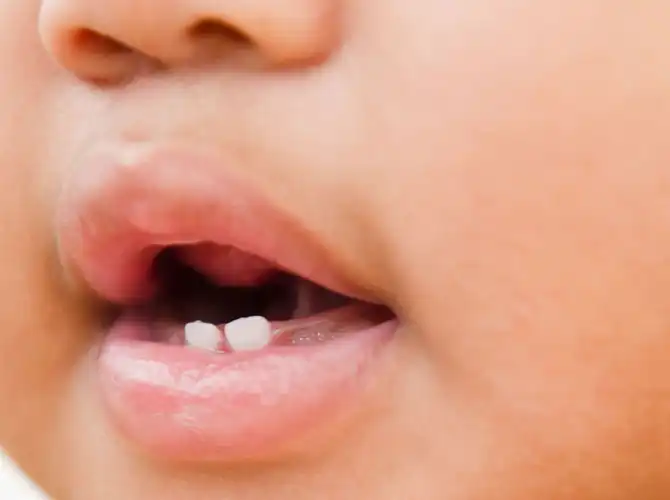
How to Soothe a Teething Baby

Discovering your child’s first tooth is an exciting milestone. But the feeling of achievement can soon be replaced by sleepless nights for the family as your baby goes through teething. However, there are many things you can do to help soothe your child and keep the rest of your household smiling.
Aches and pains
soothe teething baby

Can I Take Nurofen While I’m Pregnant?

You should not take Nurofen if you are trying to become pregnant or during the first 6 months of your pregnancy, except if advised to do so by your doctor. Do not take Nurofen at all during the last 3 months of your pregnancy. Pregnancy is a time when special care needs to be taken with medicines. Some medicines that are suitable for use by adults and children should not be used by pregnant women. If you’ve recently found out you are pregnant, make time to talk with your doctor about all your medications. Your doctor can also give you advice about pain relief options to help you relieve any pain effectively during pregnancy.
About Nurofen
Taking Nurofen while pregnant

How do I look after my baby's teeth?

So, you’ve just gone through teething (or you’re about to) and now your baby has a brand-new tooth that needs to be looked after. You may think that your baby is too young for any sort of dental care routine but that couldn’t be further from the truth! From the moment that first, shiny tooth pops its head out into the open, dental health becomes important. Until their adult teeth come through, your child will need to rely on their milk teeth, so it is very important that you begin to care for them as early as possible, beginning with a trip to the dentist.
Aches and pains
baby's teeth

How to help relieve your baby's blocked nose

Yes, it’s true. Babies get blocked noses too. Like in adults, the reasons for a baby blocked nose can include allergies, infections (such as the common cold), or other triggers. Especially for newborns, a blocked nose can really mess with their ability to breathe, as they predominately do so through their nose. As a baby really can’t do much for itself - like blow their own nose, it’s really up to us to look after them and provide relief where possible. So, knowing some strategies which may help relieve a baby blocked nose is key. Here we offer some suggestions to help manage your baby’s blocked nose as well as when to see a doctor.
Aches and pains
baby sucking her finger

Children cold medicine, and things to avoid?

When your little one is under the weather with a cold or flu, you want to see them get better as soon as possible. But there are some treatments that may not be appropriate in children or may not be helpful with colds and flu in kids.
Cold & Flu
cold and flu for kids

Can I Take Nurofen If I’m Asthmatic?

If you or your child has asthma, it’s important to speak with your doctor before taking Nurofen.
About Nurofen
Nurofen and Asthma

Recognising the signs that your baby might be ill

There are a range of childhood illnesses which most children will potentially experience as they grow up. In particular, newborns and young infants can be more vulnerable to childhood illnesses as their immune systems are still developing. Yet unlike adults, younger children and babies are less able to communicate what they are feeling, which means it may be a little more tricky to know what’s going on with them if they do become sick. As a parent or caregiver, thankfully there are some tell-tale signs you can look out for when it comes to many common childhood illnesses including: Runny or stuffy nose, coughing, sneezing and/or fever Breathing is different to usual Changes in sleep patterns Dehydration, vomiting and/or diarrhoea Rashes Irritated eyes, glazed eyes or red or watery eyes Here we discuss some of the more common childhood illnesses, including their symptoms and when to seek help. It’s important to speak with your doctor if unsure or uncomfortable when your child is not feeling well.
Aches and pains
baby being comforted

Children's Earache: Symptoms, Causes and Prevention

Earache is a common complaint that can occur at any age, but it is especially common in young children.1 Unfortunately, babies and young children are more prone to middle ear infection, known as otitis media.2 This common type of earache happens when the middle part of the ear becomes inflamed, which can occur after a mild viral infection like a cold.3 Earache can be distressing for children as well as parents when they see their young child in pain. So, it’s good to know what earache symptoms to look out for, the causes of earache, and how to treat an earache in a child.
Aches and pains
earaches in kids

Nurofen: Effective relief from pain.

It’s great to know that when you or your child experiences pain, Nurofen is there for effective temporary pain relief. From headaches to lower back pain, pain associated with a cold or flu, dental pain and fever, you’ll find the information here to help you understand the Nurofen range and how Nurofen can help you. Along with helpful articles, Nurofen.co.nz can help you understand pain, how each Nurofen product works and how to use it. Nurofen’s success is the result of over 30 years of research and development. We are experienced in pain relief, and we are here to help you.
About Nurofen
effective relief from pain

What should I do in case of an overdose of Nurofen for Children?

If you suspect your child has taken more than the recommended dose of Nurofen for Children – stay calm and call the National Poisons Centre on 0800 764 766 (New Zealand only). Don’t wait for your child to feel sick or for symptoms to develop before you act. If your child is experiencing severe symptoms such as loss of consciousness or difficulty breathing, call 111 immediately.
About Nurofen
Recommended dose of Nurofen

Choosing suitable pain relief for your child

Nurofen for Children contains ibuprofen, to provide pain relief and reduce fever in infants and children. There are two product formats in the range: Oral liquid for babies and young children aged from 3 months to 12 years Soft chewable capsules for children 7 years and older All oral liquid products in the range come with a dosing syringe, making it easy for you to give your child the correct dose.
About Nurofen
pain relief for children

What Is Paracetamol? What Do I Use Paracetamol for?

Paracetamol is a well-known medicine that’s commonly used to relieve pain and help reduce fever. Paracetamol products are known by a variety of brand names. Paracetamol is used in many pain-relieving products and in cough/cold formulations designed for adults and children.
About Nurofen
What is Paracetamol?

Coping with your child’s first fever

While fevers are common in young children, the very first time a baby has a fever can be worrying for parents. To encourage symptomatic relief, it’s essential to be aware of the signs of fever and to know what you can do to help.
Fever
child's first fever

Is Nurofen Suitable for all age Groups?

Within the Nurofen range, there are products suitable for adults, children and infants from 3 months. If you want help choosing the right product for you, talk with your doctor or pharmacist. Most Nurofen products contain ibuprofen, an anti-inflammatory pain reliever that’s suitable for a wide range of conditions, including fever.
About Nurofen
Nurofen for all age group

Can I Take Nurofen Products with Other Medicines?

It’s important to be careful about the medicines you take and to speak to a health professional if you have any questions or concerns. Nurofen products contain ibuprofen, a nonsteroidal anti-inflammatory drug (NSAID) that helps to relieve pain and reduce inflammation and fever. Unless advised by your doctor, do not take Nurofen if you are taking products containing ibuprofen, aspirin, or other anti-inflammatory medicines, or if you are taking medication regularly.
About Nurofen
taking Nurofen with other medicine

Does Nurofen Target the Source of Pain?

Visiting your local pharmacy or supermarket for pain relief can be overwhelming. There are so many products to choose from. It’s important to find the one that suits you and will provide effective relief for the type of pain you are experiencing. This article will discuss how Nurofen works to relieve inflammatory pain in your body.
About Nurofen
Nurofen relieve inflammatory pain

Does Nurofen (Ibuprofen) Cause Stomach Problems?

Nurofen contains ibuprofen, a pain reliever that belongs to a group of medicines called non-steroidal anti-inflammatory drugs (NSAID). You shouldn’t take ibuprofen if you have a stomach ulcer or other stomach disorders. Seek advice from your doctor or pharmacist for other pain relief options.
About Nurofen
does Nurofen causes stomach problems?

How does Nurofen help relieve pain?

With an ever-growing range of over-the-counter (OTC) pain relief medications, choosing one that is suitable for your needs can be overwhelming. Yet, having the knowledge to make an informed choice is useful. This article provides some information about how Nurofen works to temporarily relieve inflammatory pain in your body.
Does Nurofen Target the Source of Pain

How does ibuprofen work?

You may have come across ibuprofen before, and you may even have used it. Ibuprofen has many different brand names, one of which is Nurofen. Products containing ibuprofen come in many formats, and you can find them in supermarkets, pharmacies, and convenience stores. You’ll also find ibuprofen formulations designed for both adults and children., Ibuprofen is a non-steroidal anti-inflammatory drug (NSAID), also referred to as an anti-inflammatory – a type of medicine that’s commonly used to relieve pain and fever. NSAIDs may help relieve pain and reduce inflammation by blocking the production of pain-causing chemicals. If you’re wondering whether there’s a difference between ibuprofen versus Nurofen, ibuprofen is the active ingredient in Nurofen. So how does ibuprofen work? What can you use ibuprofen for? Here, you’ll find answers to commonly asked questions about ibuprofen.
About Nurofen
Ibuprofen usage

Sinus Headache & Pressure

Sometimes when you’re ill with an infection, you may experience headaches or pressure around your face – this is known as a sinus headache. Sinus pain and pressure can occur when you have a cold or allergies, and make you feel unwell.1 There are different types of headaches, so it’s good to know the difference between a sinus headache and other headaches like migraine headaches.2 The main feature of a sinus headache is inflammation of the sinuses, which often occurs when you have an infection or allergy, so it is commonly associated with symptoms like a runny nose. 1 Read on to learn more about sinus headaches, including how to determine if you have one and how you can find relief.
Headache
Sinus headache

Migraines: signs, symptoms and relief

Although migraines are common, they are quite unlike any other type of headache. Unless you have personally experienced one, it can be difficult to understand what makes them so different. Migraines can have a significant impact on the daily lives of sufferers. Here is some useful advice on how to spot migraines, plus a few helpful tips and ways to cope when they strike.
Headache
Migraines in Adults

Most popular products